


















Premier League review finds all first-round VAR interventions correct
The Premier League has published the first Key Match Incidents Panel report of the season. The panel examined 21 major decisions from the opening round, including two cases in which VAR asked the referee to review an incident. It judged both interventions correct and supported 90 percent of the original on-field decisions.
The panel studies decisions rather than rewriting results
A Key Match Incidents review explains whether the available evidence supported the referee and video team. It does not reopen a completed match or change the table. That distinction matters when the panel reaches a close vote. A minority view can show why supporters disagreed, while the majority decision records the panel’s final assessment. Presenting the review as a new result would confuse an accountability process with the competition itself.
Ninety percent does not mean every call was simple
The panel supported most original decisions, but several incidents required discussion because contact, player movement and the position of the ball could be read in more than one way. Agreement on the final call does not remove that difficulty. The review shows where the laws produced a clear answer and where judgement remained important. The stated reason and the full footage provide more evidence than one frozen image from the incident.
| Review measure | Panel finding |
|---|---|
| Major incidents examined | 21 |
| On-field decisions supported | 90 percent |
| VAR interventions | Two |
| VAR interventions supported | Both |
Two interventions passed the higher VAR threshold
VAR is not intended to re-referee every physical contest. It enters when the video team identifies a clear and important error in a reviewable situation. Both interventions from the round were accepted by the panel, meaning the move from the original decision to an on-screen review was justified. This finding concerns the process as well as the outcome: the video officials had enough evidence to ask the referee to look again.
The McGinn and Osman incident showed the narrowest split
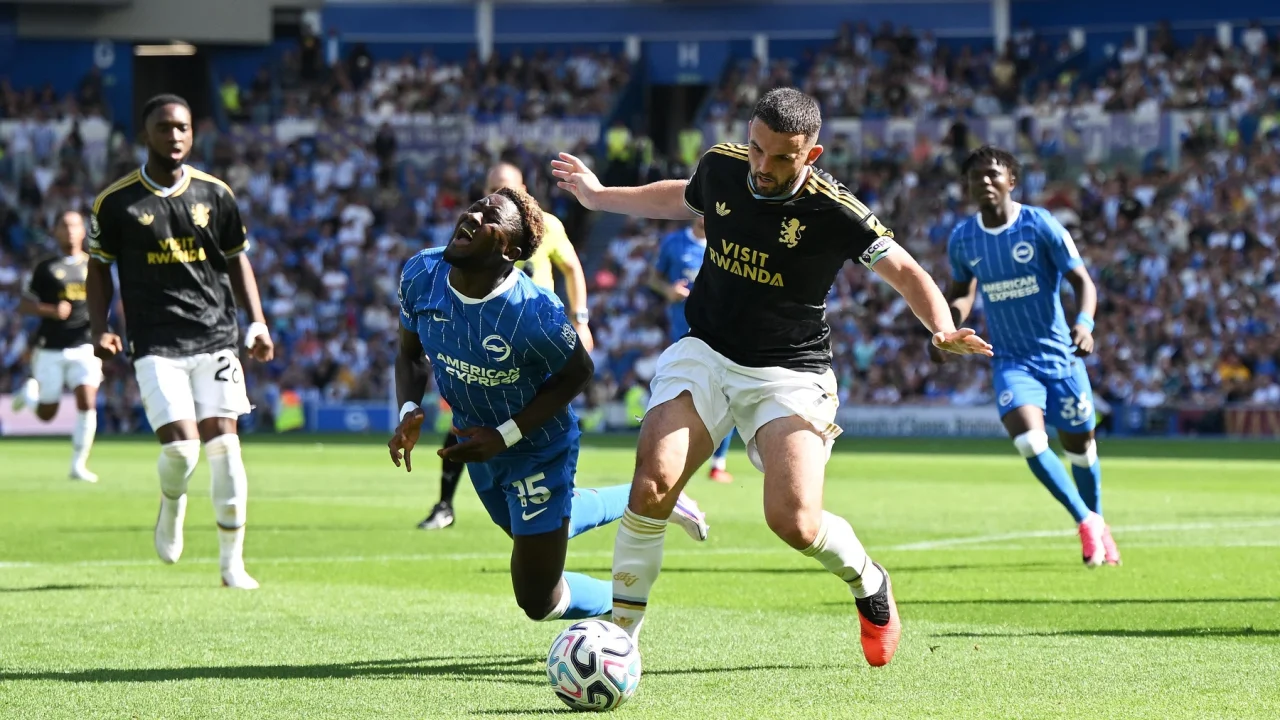
One debated penalty situation involved John McGinn and Ibrahim Osman. The panel’s opinions were divided, so the incident was not obvious to every reviewer. Body position, the timing of contact and whether the challenge prevents a fair action all mattered. The published vote shows that the majority decision sat close to the boundary where qualified panel members could apply the same laws and still disagree.

Public explanations can improve future discussions
When the league provides the incident, decision and panel view in one place, supporters can discuss the same evidence. That is more useful than combining clips from different phases or applying a rule that does not cover the incident. The report also creates a record that can be compared across rounds. Consistency should be measured through similar situations over time, not through two tackles that look alike only in a short social-media video.
Clubs still need to prepare for the law as it is applied
Managers may disagree with an interpretation, but players must react to the current threshold. Defenders can reduce risk by controlling the line of a challenge, while attackers should continue rather than stopping to demand a whistle. The panel report can be used in team analysis because it shows which actions officials considered acceptable. It should not become an excuse to ignore the next phase while a decision is still live.
The first report sets a baseline for the season
One round cannot prove that every later decision will be consistent. It does provide an early reference: 21 incidents were studied, most on-field calls were supported and both video interventions were approved. Later reports can be compared with that baseline using the same categories. The value lies in repeated transparency. A weekly record is more informative than declaring the whole system successful or broken after one dramatic match.
The complete document covers all 21 incidents
The league’s full panel record contains the evidence and vote for every reviewed incident in the round. The McGinn and Osman case represents only one of those decisions and cannot be applied to a different match. Contact, ball position and the action of the players change from one review to another, so each panel outcome stands on its own facts.


Comments
No comments yet — be the first to share your thoughts.