


















UEFA Clear Line database explains over 150 refereeing scenarios
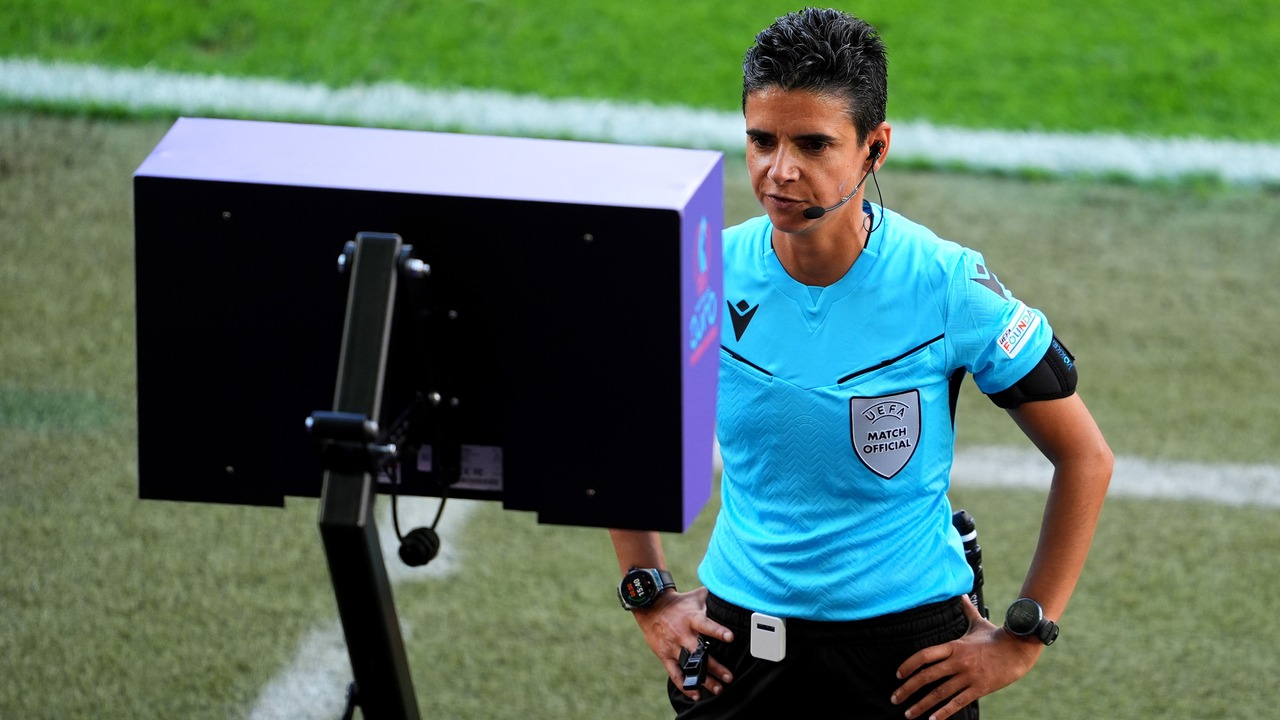
UEFA has launched Clear Line, a database for refereeing decisions across European football. The platform contains more than 150 match scenarios. Each example explains the expected decision and possible VAR involvement.
Refereeing leaders from every UEFA member association endorsed the platform. The material supports domestic competitions and UEFA tournaments. It creates one reference point for situations that often produce different public interpretations.
Each example combines a decision with an explanation
Clear Line groups match incidents by the relevant law and decision type. Users view a situation beside the expected ruling. The explanation also identifies when video review belongs in the process. The examples cover more than routine fouls and restarts. They include incidents where context changes the final decision. Position, contact, speed, and consequence remain important parts of that judgment.
A written law cannot display every movement inside a match. Video scenarios show how principles apply during real play. The database therefore connects formal wording with visible examples. UEFA describes the platform as a reference for consistent decisions. It does not remove the referee’s responsibility during matches. Officials still evaluate each incident using the available angle and information.
Separate examples explain when VAR may intervene
Video review operates under a limited intervention standard. Clear Line identifies situations where that threshold is reached. It also presents examples where the original decision remains unchanged. This distinction matters because VAR does not judge every contact again.
The match referee keeps the initial decision unless the review finds a serious error covered by its rules. Clear examples reduce confusion about that boundary.
Domestic associations may use the material during referee education. Clubs and players also receive access to the same scenarios. Shared examples improve discussion after difficult incidents. Public access does not guarantee agreement about every decision. Camera angles and live speed still influence interpretation. The platform gives those debates a common technical starting point.
UEFA wants similar incidents to receive similar decisions
UEFA competitions involve referees from many national associations. Their domestic leagues may emphasise different examples during training. Clear Line provides one European reference across those backgrounds. The chief refereeing officers of all member associations supported the project. Their endorsement places the examples inside national education programmes. New scenarios may also reflect later law interpretations.
Players benefit when similar actions receive similar decisions. Coaches also plan with a clearer understanding of disciplinary thresholds. Predictable application supports match control without eliminating judgment. More than 150 scenarios provide a broad starting collection. The database covers decisions rather than team tactics or match results. Its value depends on regular use during education and review.
The database opens before the new European season
European qualifying rounds already use the 2026/27 laws during August. European league phases usually begin during September each season.
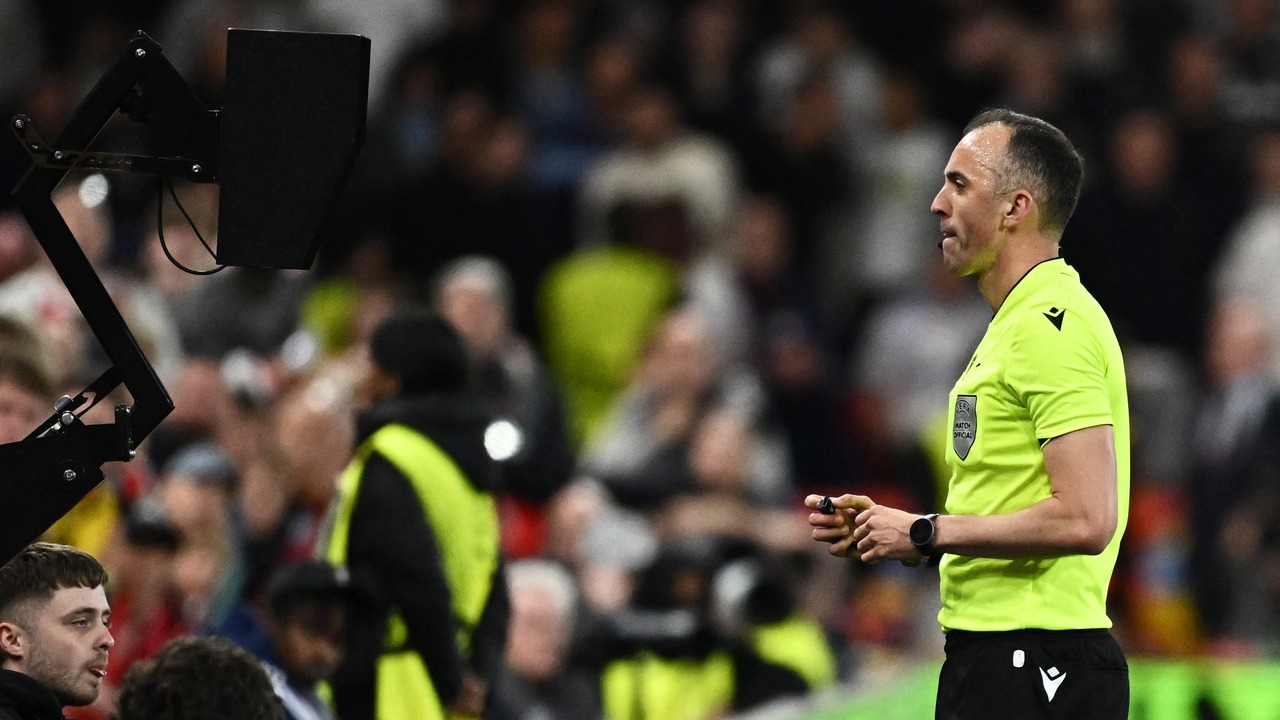
Referees therefore receive the database before the main competition schedule expands. Clubs also enter those matches with access to the same guidance. Analysts may review examples during player briefings. Clear language helps prevent avoidable protests and repeated offences.
The system will not make every close call automatic. Football contains contact and movement that require interpretation. Clear Line records how UEFA expects those principles to be applied. The launch creates a public technical archive for European refereeing. Its 150-plus scenarios cover both field decisions and video review. Future match discussions now have a defined reference beyond isolated clips.
The examples support regular referee training
Referees already study match video between appointments. A shared database makes those sessions easier to compare across countries. Instructors may select incidents that match a planned training subject. Assistant referees also benefit from examples involving offside and penalty-area contact. Video officials review the intervention threshold through the same clips. That approach keeps different roles inside one framework.
Clubs may use selected scenarios during player education. Defenders see which contact creates a foul risk. Attackers also learn when normal physical contact remains legal. Regular updates preserve the database as interpretations develop. The Laws of the Game remain the controlling document. Clear Line illustrates UEFA‘s application through specific match situations.



Comments
No comments yet — be the first to share your thoughts.