





































Allianz Arena chosen to host the 2028 Champions League final
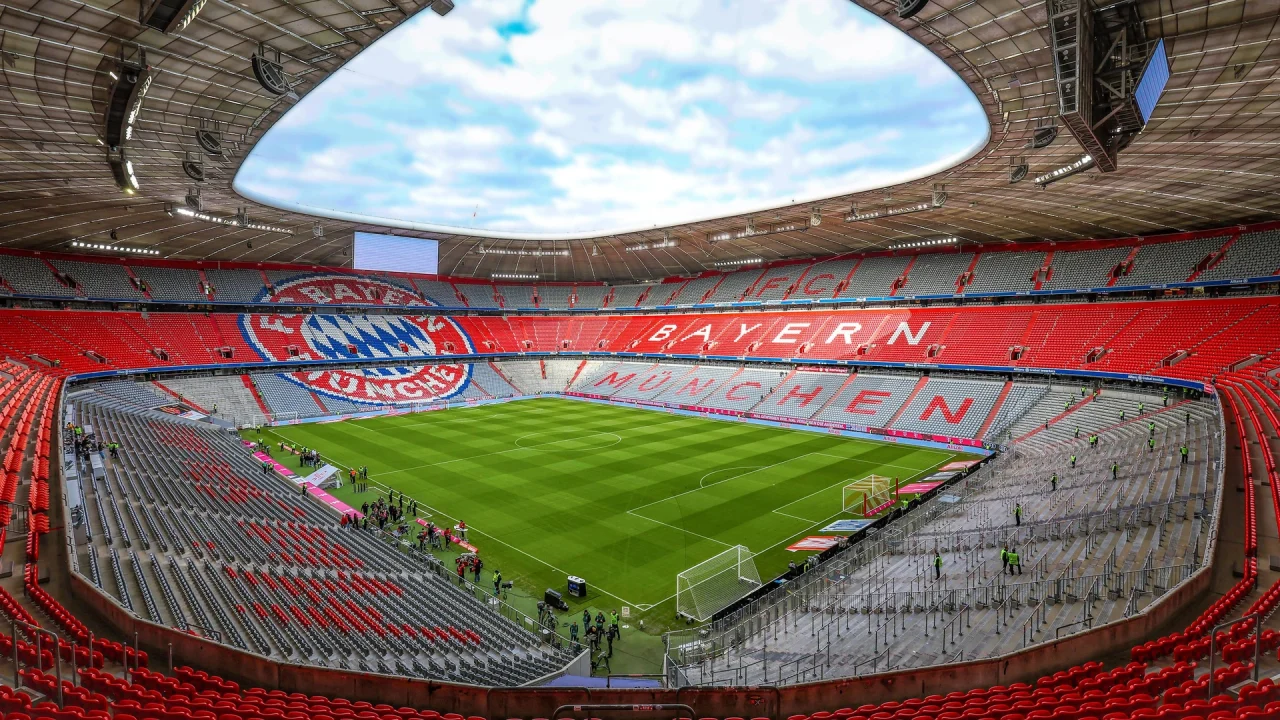
UEFA has selected Allianz Arena, the home stadium of Bayern Munich, to host the 2028 Champions League final. The decision returns European club football’s biggest match to Munich only three years after the stadium staged the 2025 final. The match is scheduled for May 27, 2028, and it will be the third Champions League final played at the venue. For supporters, clubs and the city, the announcement provides a clear destination well before the finalists are known.
Munich receives another major European final
The choice was confirmed after a UEFA Executive Committee meeting and a formal selection process. Allianz Arena already has the transport links, media areas, VIP and service facilities, and matchday experience required for an event of this scale. Those practical details matter because a final is much more than ninety minutes of football. Thousands of visiting supporters need safe routes into the city, separate gathering points, reliable public transport and clear access to the stadium.
Munich also offers UEFA a venue with recent experience. Local organisers handled every major task during the 2025 final, including security, accreditation, television production and crowd movement. Organising another final does not mean the old plan can simply be copied. Organisers will need to review what worked, account for changes in technology and adapt to the two clubs that qualify. Even so, that recent experience gives the city a useful base and means that every process does not need to begin from zero.
The stadium has already produced two very different finals
Allianz Arena first hosted the competition’s deciding match in 2012. Bayern reached the final in their own stadium and led Chelsea late in the game, but Chelsea equalised and won the penalty shootout. Bayern were only a few minutes away from winning the trophy at home. The 2025 final followed a completely different pattern as Paris Saint-Germain defeated Inter by five goals and won the European Cup for the first time.
Those matches show why the venue cannot determine the character of a final. One became a tense contest settled from the penalty spot, while the other was decided by a dominant attacking performance. The stadium supplies the setting, a clear view of the pitch and the atmosphere; the teams create the story. In 2028, Bayern may or may not be involved, but the club’s home will again sit at the centre of the European football calendar.
Supporters who plan to travel have time to prepare
A fixed date allows airlines, rail operators, hotels and local authorities to prepare for a sharp rise in demand. It also gives UEFA and the host city time to design fan zones and accessibility services. Tickets will not be available simply because the venue has been announced. UEFA normally releases detailed sales information much closer to the match, and supporters should avoid unofficial offers that claim to guarantee a ticket years in advance.
The May date places the final near the end of the domestic season and shortly before UEFA Euro 2028 begins in the United Kingdom and Ireland. That creates a busy period for players, broadcasters and national associations. Club schedules can still change before then, so the confirmed venue should be treated as the stable part of the announcement. The kick-off time, ticket allocations and instructions for supporters will be published later.
UEFA also selected stadiums for other future finals
During the same meeting, UEFA awarded the 2029 Champions League final to Barcelona’s Camp Nou. Munich and Barcelona are therefore the next two confirmed host cities after the 2027 final in Madrid. UEFA also selected stadiums for future Europa League, Conference League, Women’s Champions League and Super Cup matches. The wider list spreads major finals across several countries instead of concentrating them in one region.
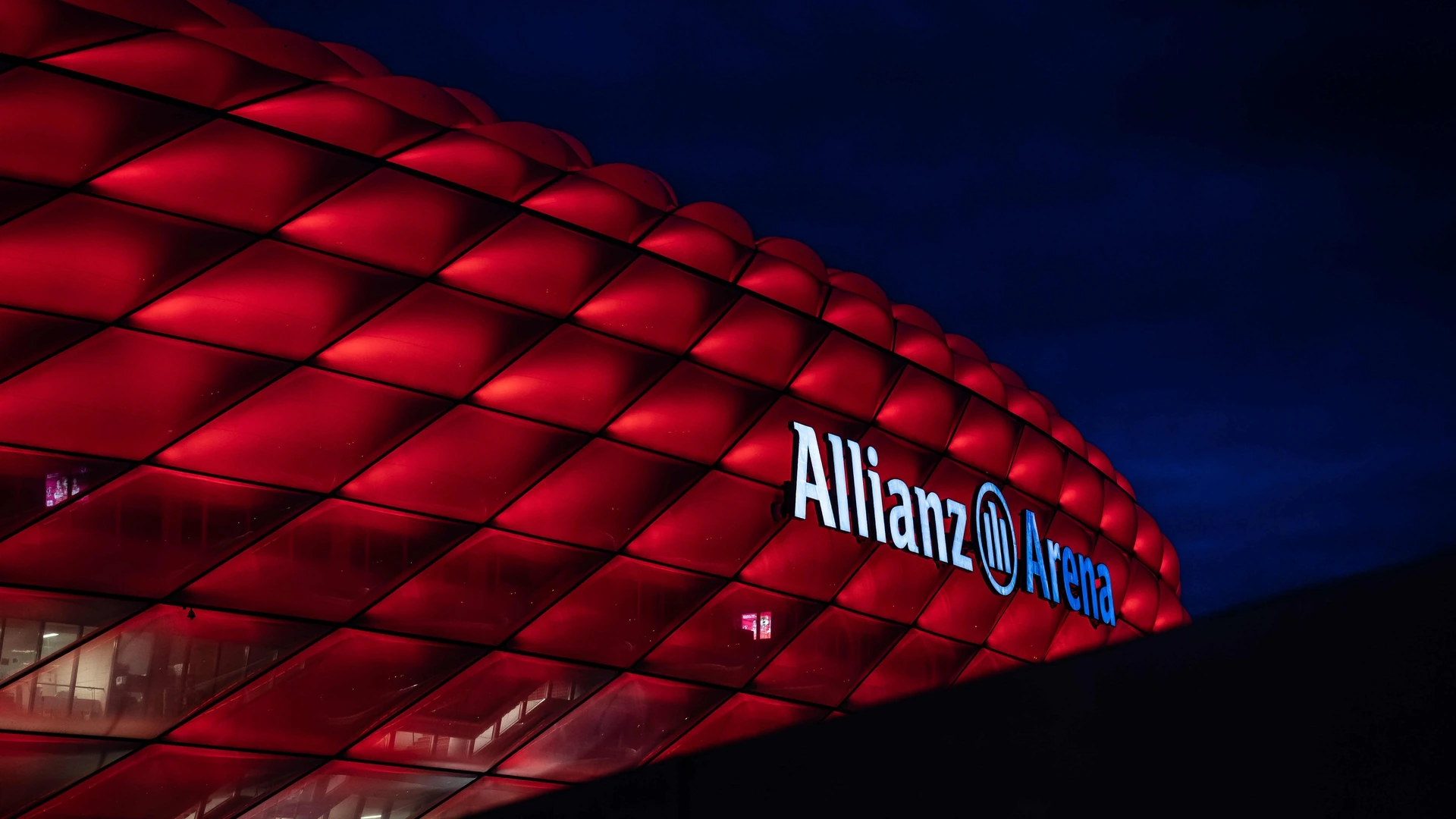
For Bayern and Munich, however, the immediate significance is straightforward. UEFA trusts Allianz Arena to host its most important club match. The stadium will have another opportunity to show its red exterior, steep stands and intense atmosphere to a global audience. The next phase concerns organisation rather than sport: local organisers must prepare a final that works for two unknown clubs and supporters arriving from across Europe.

Comments
No comments yet — be the first to share your thoughts.