



































































Real Madrid beat Elche 3-2 through a stoppage-time goal from Carlos Espi, but the winner mattered because the match repeatedly escaped Madrid’s control. An own goal created by Arda Guler’s free kick and a Kylian Mbappe finish put the hosts ahead on separate occasions. Elche responded through Osorio and Nino, forcing Madrid to construct one more attack after the game appeared ready to end level. The final sequence showed the value of a striker continuing his run while established stars occupied the defence.
Elche made it difficult for Madrid to build attacks
Madrid had more of the ball, yet Elche did not allow every buildup to become a clean entry into the final third. The visitors protected central spaces and waited for passes that could be challenged. When they recovered possession, they tried to reach support quickly enough that Madrid’s defenders could not simply step forward and win the next duel.
This approach demanded concentration because Madrid can turn one loose clearance into another full attack. Elche accepted that pressure and remained willing to move forward. Their two equalisers were not accidents detached from the rest of the performance. They came from a belief that the match still contained opportunities even after Madrid had taken the lead.
Arda Guler’s free kick created the opening goal
Guler’s free kick created the opening goal when the ball went in off goalkeeper Dituro. The action underlined the value of a delivery that travels through a difficult area rather than aiming only at one marked target. Defenders and the goalkeeper have to react while bodies restrict the view, and even a small touch can change the path too late.
Madrid still needed faster attacks from open play. The goal from Guler’s free kick briefly reduced the pressure, but it did not solve that problem. Elche’s response forced Madrid to pass more quickly near the penalty area and make runs behind the defenders instead of waiting for one player to dribble from a standing start.
| Key moment | What happened |
|---|---|
| Guler free kick | A difficult delivery led to the opening own goal |
| Mbappe finish | A run behind the defenders restored Madrid’s lead |
| Nino equaliser | Elche scored after continuing to counterattack |
| Espi winner | A substitute completed Madrid’s final team move |
Mbappe ran behind the Elche defenders
Mbappe’s goal restored Madrid’s advantage and came from the kind of movement that changes the posture of a defence. If the back line steps forward, he can attack the space immediately; if it drops early, a midfielder receives more room in front. The threat exists before the final pass and helps explain why other players can find pockets near the box.
Elche did not respond by abandoning all ambition. Nino’s equaliser brought the game back to level terms and tested Madrid’s ability to remain organized while chasing another goal. The hosts needed urgency without turning every possession into a hopeful cross. Elche still kept a forward passing option so they could counterattack after regaining the ball.
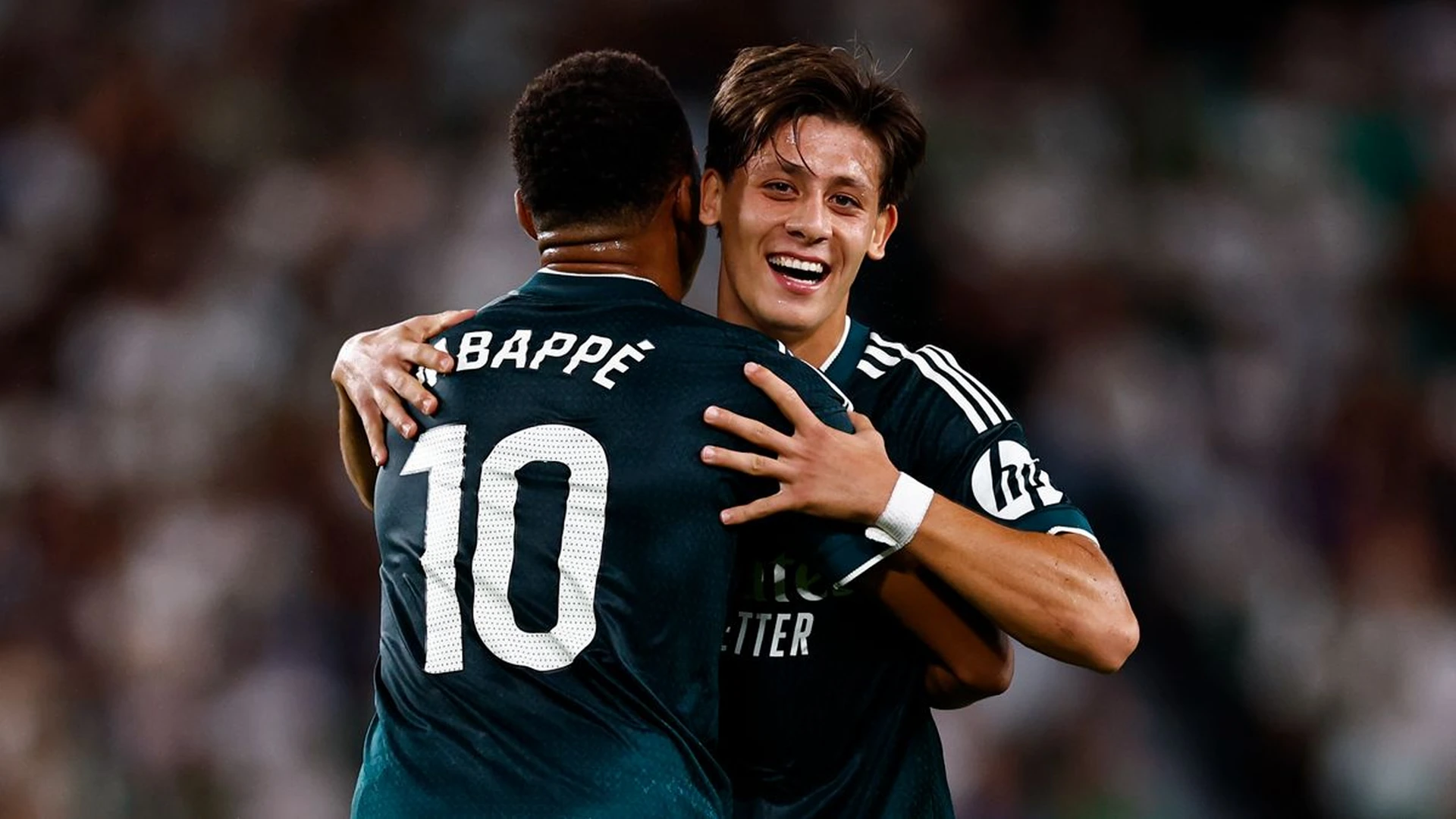
Espi completed Madrid’s final attack
Jude Bellingham helped move the decisive attack to Mbappe, whose involvement drew attention before the ball reached Espi. The young forward completed the move in added time. His contribution was brief but not passive. A substitute entering late has to read the attack quickly, choose a lane that does not block another runner and be prepared for the ball to arrive after several more famous teammates have touched it.
The sequence is a useful reminder that squad depth is not measured only by famous players on the bench. A developing striker who chooses the correct run can decide a match without receiving many chances. Several players created Espi’s winner, and his calm finish turned their combined attack into three points.
Elche forced Madrid to work until the final whistle
A 3-2 home victory brings the desired result, yet the two Elche responses give the coaching staff clear material. Madrid must protect the space behind attacking players and control the period immediately after taking a lead. A strong opponent will punish the same loss of structure with even less warning.
Elche leave without a point but with evidence that their plan could trouble strong opposition. They responded after falling behind twice and made Madrid work until the final attack. The decisive difference was Madrid’s attacking quality and one fresh runner who created another chance after Elche had already equalised twice.
Both teams had to regain concentration after every goal
Madrid could not treat a lead as the conclusion, and Elche could not spend too long celebrating an equaliser. The first possessions after a goal were therefore unusually important. A calm pass could restore the team’s positions, while an ambitious ball lost immediately allowed the opponent to attack before concentration had returned.
Madrid handled the final restart best. The side kept enough width to move Elche, then involved Bellingham and Mbappe without asking either player to force the shot. Espi’s run completed the sequence. It was a late winner created by clear roles rather than a desperate attack caused by the clock.
Comments
No comments yet — be the first to share your thoughts.